Early learning curriculum
Support early growth with a structured curriculum designed for curious young learners.
Support early growth with a structured curriculum designed for curious young learners.
When little ones seem bored, restless, or unsure during the day, it can be hard to know whether they need more structure, more variety, or more support. A strong early learning curriculum gives children predictable routines, hands-on activities, and age-appropriate lessons that help them settle in and start engaging with confidence.
At Pea Wees In A Pod, we help families find a learning rhythm that fits young children’s needs. If you are looking for a setting where play, language, movement, and early academic skills are all part of the day, we can help guide that experience with a curriculum built for growing minds.
Early learning is not about pushing children too fast. It is about creating a steady foundation that supports attention, curiosity, social growth, and comfort with routine. A well-planned curriculum gives children repeated chances to practice skills through songs, stories, guided play, art, movement, and simple problem-solving.
For families, that structure can make each day feel calmer and more purposeful. Children know what comes next. Caregivers can reinforce the same themes throughout the day. And the child gets more than free play alone, since every activity can support a learning goal.
A good curriculum feels organized without feeling rigid. Children do best when the day includes a mix of active play, quiet time, creative work, and guided learning. That balance helps keep attention from slipping and makes the classroom feel predictable rather than overwhelming.
At Pea Wees In A Pod, we focus on routines that are easy for young children to recognize and follow. This helps them move from one activity to the next with less resistance and more confidence. It also gives families a clearer picture of what their child is practicing each day.
Children begin the day with familiar routines that help them feel ready to join the group.
Simple lessons introduce letters, numbers, colors, shapes, and language through hands-on practice.
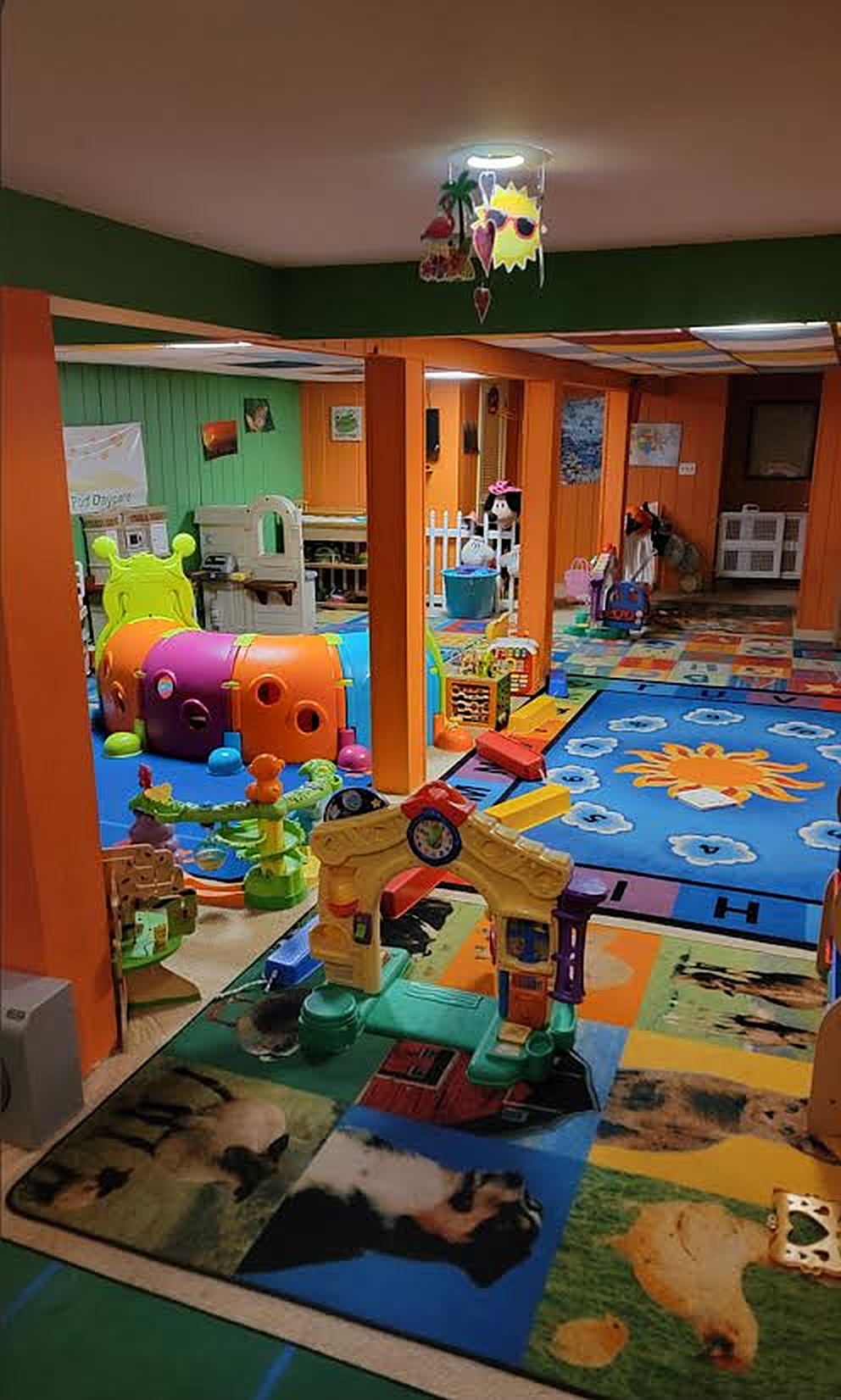
Blocks, books, art, and pretend play give children ways to explore ideas at their own pace.
Singing, dancing, and active games help children use their bodies while reinforcing learning themes.
Children practice following directions, putting materials away, and preparing for the next part of the day.
An early learning curriculum should support more than academic exposure. It should help children become more comfortable speaking up, trying new tasks, and participating in a group setting. These are the habits that often shape later success in preschool, pre-K, and beyond.
We use activities that match the way young children naturally learn. That means repetition, movement, sensory input, and real interaction. When lessons are delivered this way, children often stay engaged longer and absorb more from each experience.
Play is not a break from learning. For young children, it is one of the main ways they learn. A thoughtful curriculum uses play to build attention, language, memory, and problem-solving. That might look like sorting objects by color, acting out a story, building towers, or exploring textures during art time.
In a setting like Pea Wees In A Pod, play is shaped with intention. We help children move from open-ended fun into guided discovery, where the activity still feels enjoyable but also has a clear learning focus. That balance keeps children interested while helping them practice new skills.
Families want to know what their child is learning and how the day is going. Clear communication makes that easier. A strong curriculum is not only for children, but also for the adults supporting them at home. When families understand the goals behind activities, they can reinforce the same lessons through everyday conversations.
At Pea Wees In A Pod, we value simple, practical updates that help parents stay connected to their child’s progress. That can include what topics are being explored, what skills are being practiced, and how a child is responding to the routine.
Knowing the day’s focus makes it easier to continue the lesson at home with a book, conversation, or simple game.
Families can see how their child is growing in language, movement, patience, or participation.
Understanding the structure of the day helps children transition more easily between home and care.
Children at different stages need different kinds of support. A toddler is not ready for the same expectations as a preschooler, and a preschooler is not ready for the same kind of lesson pacing as an older child. The curriculum should reflect that reality with flexible activities and realistic goals.
We shape learning experiences so children can succeed without feeling rushed. That means shorter activities for younger children, more guided discussion for older ones, and enough movement to keep energy balanced throughout the day. Families often want a program that respects these differences while still keeping learning active.
At Pea Wees In A Pod, the curriculum is shaped through repetition, encouragement, and hands-on engagement. Children are given chances to hear, see, move, and do. That helps lessons stick and makes learning feel natural instead of forced.
We also keep the focus on meaningful everyday skills. Young children benefit when they can connect learning to real experiences, such as naming objects, cleaning up materials, using words to ask for help, or recognizing patterns in songs and games. These small moments add up over time.
Our approach supports children who learn best by watching, listening, touching, and trying. It also gives them a consistent framework so they can build trust in the day’s rhythm and feel ready to participate.
An early learning curriculum can support children through the toddler and preschool years, with activities adjusted to match developmental stage and attention span.
Play is one of the main ways young children practice language, problem-solving, motor control, and social interaction, so it is built into the day with purpose.
No, the day should include a mix of guided learning, play, movement, rest, and routine tasks so children stay engaged without becoming overloaded.
Children may explore letters, numbers, shapes, colors, listening skills, storytelling, sorting, matching, and group participation.
We use short activities, familiar routines, hands-on materials, and a mix of movement and quieter tasks to keep the day balanced.
Yes, families can reinforce the same ideas with books, songs, simple counting games, conversation, and predictable routines at home.
If you are looking for an early learning curriculum that gives your child structure, variety, and age-appropriate growth, Pea Wees In A Pod is ready to help. A thoughtful curriculum can make the day smoother for children and more reassuring for families who want to see progress in small, meaningful steps.
To learn more, contact us at kerriannperone@gmail.com or call +18456623115. We are open Monday through Friday from 6:00 AM to 6:00 PM.
Share a little about your child care needs and we’ll help you find the right fit for your schedule and your child’s stage of development.