Preschool Program
Supportive preschool care and early learning for young children and busy families.
Supportive preschool care and early learning for young children and busy families.
When your child is ready for a preschool setting, the day can feel long, uncertain, and full of questions. You may be looking for a place where routines feel steady, learning feels engaging, and your child is cared for with patience from the first drop-off to pick-up.
Pea Wees In A Pod helps families find that next step with a preschool program that gives young children structure, social time, and early learning support. We focus on a setting where children can settle in, explore, build confidence, and grow at a pace that feels right for them.
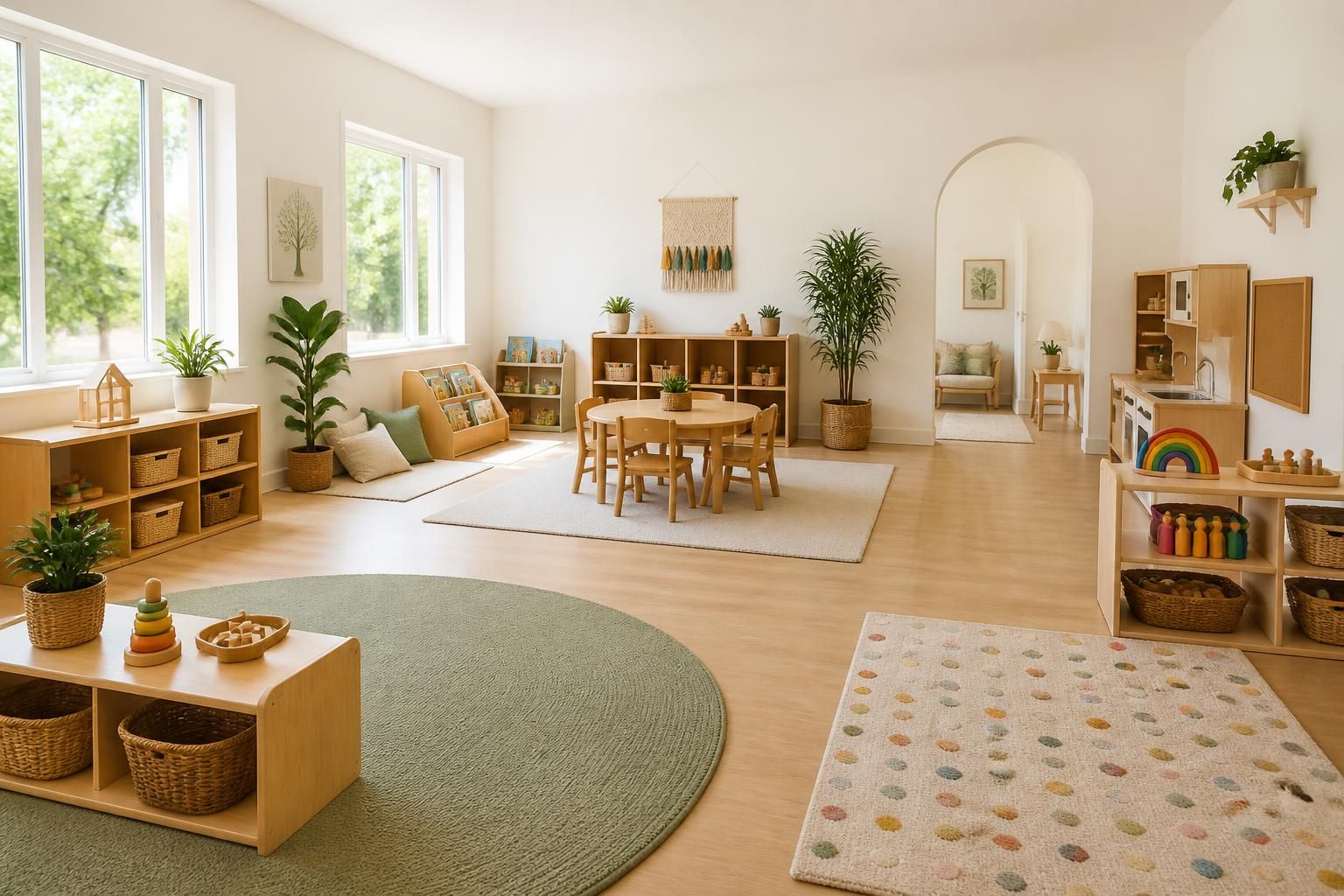
Our preschool program is built for children who are ready for more than basic care but still need a warm, age-appropriate space to learn and practice new skills. The day includes opportunities for guided activities, free play, group time, rest, and routines that help children understand what comes next.
At Pea Wees In A Pod, we keep the experience child-centered and practical. That means we pay attention to transitions, comfort, communication, and the small daily moments that help preschoolers feel safe enough to participate. Parents often want a setting that supports both learning and care, and that balance is central to what we offer.
Young children do better when the day has a familiar pattern. A preschool program should not feel rushed or random. It should help children move from one activity to the next with enough consistency that they can relax into the day.
We use a rhythm that helps preschoolers know what is happening next while still leaving room for curiosity and movement. That structure supports attention, cooperation, and comfort, especially for children who are still getting used to group care.
Children arrive, store belongings, and ease into the morning with a calm start.
Activities may include early literacy, counting, art, music, or theme-based learning.
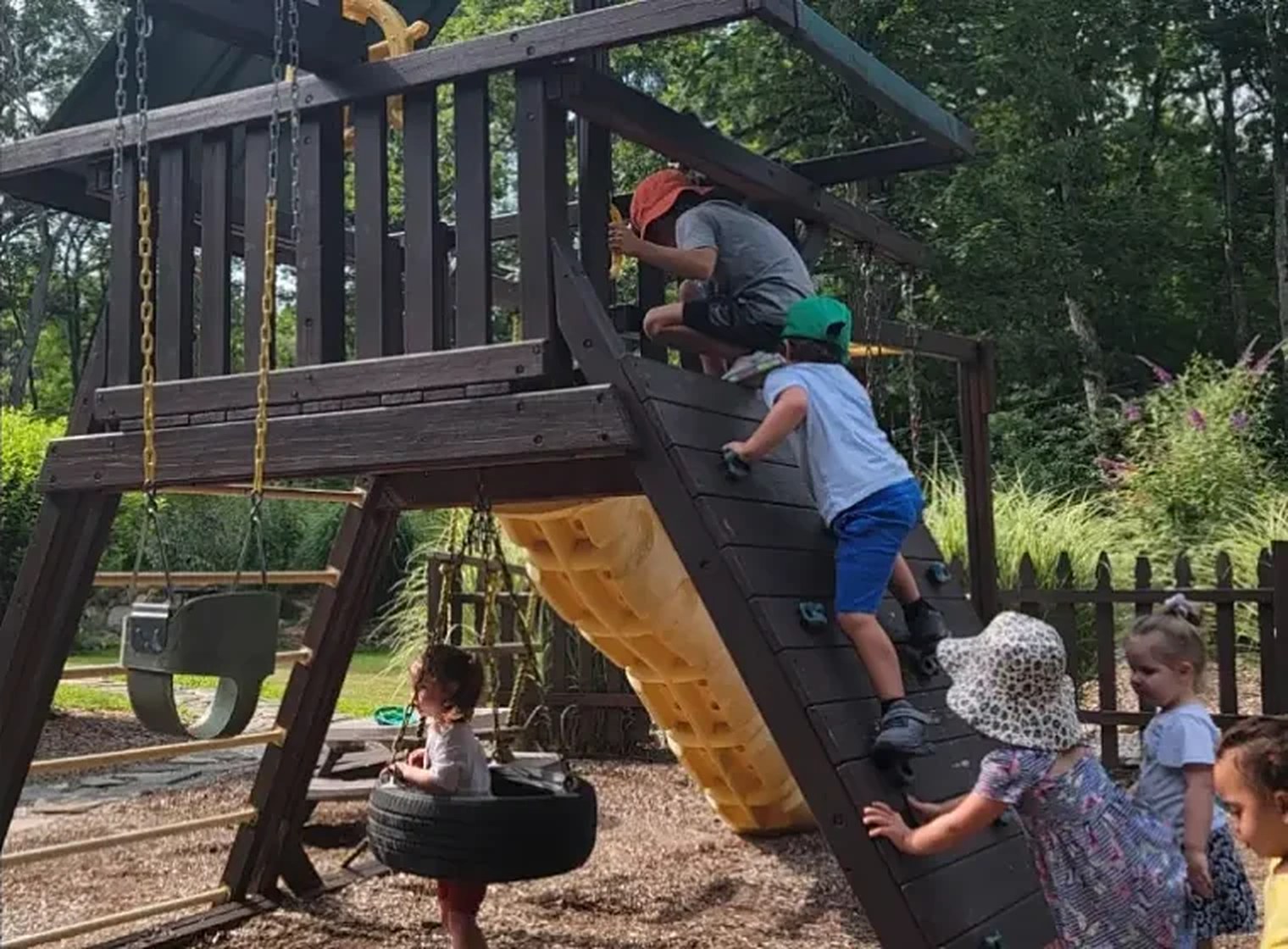
Children explore with toys, materials, and peers while practicing communication and cooperation.
Meal and snack times offer a chance to slow down, recharge, and practice table routines.
Quiet time helps younger children regroup so they can finish the day with more comfort.
A strong preschool program should do more than keep children occupied. It should invite them to think, talk, listen, move, and try new things. That is why our early learning curriculum is woven into everyday activities rather than treated like a separate task.
Children at this age learn best through repetition, songs, movement, stories, and playful practice. We use those natural learning moments to help preschoolers build skills without making the day feel heavy or overly formal.
For many families, the preschool years are the bridge between toddler care and formal schooling. A good program should support that bridge with activities that feel age-appropriate and encouraging. We keep the focus on readiness, curiosity, and everyday confidence.
Preschool is often where children begin to understand group life more fully. They learn how to join activities, wait for a turn, ask for help, and recover after a hard moment. Those lessons matter just as much as colors and letters.
We guide children through social interactions with patience and clear expectations. That helps preschoolers learn how to be part of a group while still being themselves. When a child feels understood, they usually participate more willingly and gain comfort more quickly.
At Pea Wees In A Pod, social growth is not treated as an extra. It is part of the daily experience, from arrival routines to group activities and guided play.
Preschool care works better when families feel informed and included. Parents need to know what their child experienced, how the day went, and what to expect next. Clear communication can make the whole routine easier on everyone.
We make room for practical parent resources and simple communication that help families stay connected to the preschool experience. Whether your child is adjusting to a new routine or already comfortable with group care, knowing what is happening during the day matters.
Families looking for preschool care often want a program that feels organized without being rigid. We aim for that balance so children can settle in and parents can feel more at ease.
Starting preschool can be a big adjustment, even when a child is excited. New faces, new routines, and a new environment all take time. That is why it helps to know what the first stretch of preschool care may look like.
We keep the transition as comfortable as possible and work to help children feel oriented. Some children warm up quickly, while others need more time before they join a group activity with confidence. Both responses are normal.
Children learn where to put belongings, how the day moves, and what comes next.
Some children want to observe first before joining in. That is okay and often expected.
Predictable steps help preschoolers build comfort from one day to the next.
As children settle, they often become more willing to talk, play, and try new activities.
Pea Wees In A Pod keeps the focus on steady progress rather than pressure. That approach helps children feel capable and gives parents a clearer sense of how their child is adjusting.
Not every preschool child needs the same kind of day. Some are ready to dive into activities. Others need a slower start, more reassurance, or a little more time before they feel comfortable in a group. A good preschool program should make room for those differences.
Our preschool program may be a strong fit if you are looking for a setting that supports:
Because our hours run Monday through Friday from 6:00 AM to 6:00 PM, the schedule can support a range of family routines. That consistency can make mornings simpler and afternoons less rushed.
The preschool program is designed for young children who are ready for structured group care, early learning, and social development within a preschool setting.
The day follows a familiar routine with arrival, learning time, play, meals or snacks, quiet time, and pick-up. That rhythm helps children know what to expect.
No. School readiness matters, but the program also supports social skills, communication, independence, and confidence through daily activities.
Yes. Many preschoolers need time to become comfortable. A steady routine and patient guidance help children ease into the group setting.
We use simple communication and daily touchpoints so families can stay aware of how their child is settling, participating, and growing.
Yes. Pea Wees In A Pod also offers infant care, toddler care, drop-in care, pre-K program support, and parent resources, which can help families find continuity as needs change.
If you are exploring preschool care for your child, this is a good time to reach out and learn more about the program. A strong preschool experience should help your child feel secure, active, and ready to learn each day.
Pea Wees In A Pod is available by phone at +18456623115 or by email at kerriannperone@gmail.com. If you are ready to talk through your child’s preschool needs, we can help you take the next step with clarity.
Share a little about your child care needs and we’ll help you find the right fit for your schedule and your child’s stage of development.